It is a fair question, and one people ask constantly: if I get a B12 shot, when will I feel it, and how long will it last? The honest answer is more useful than the tidy one you will find in a caption, because it depends heavily on one thing most articles skip — whether you were actually low on B12 to begin with.
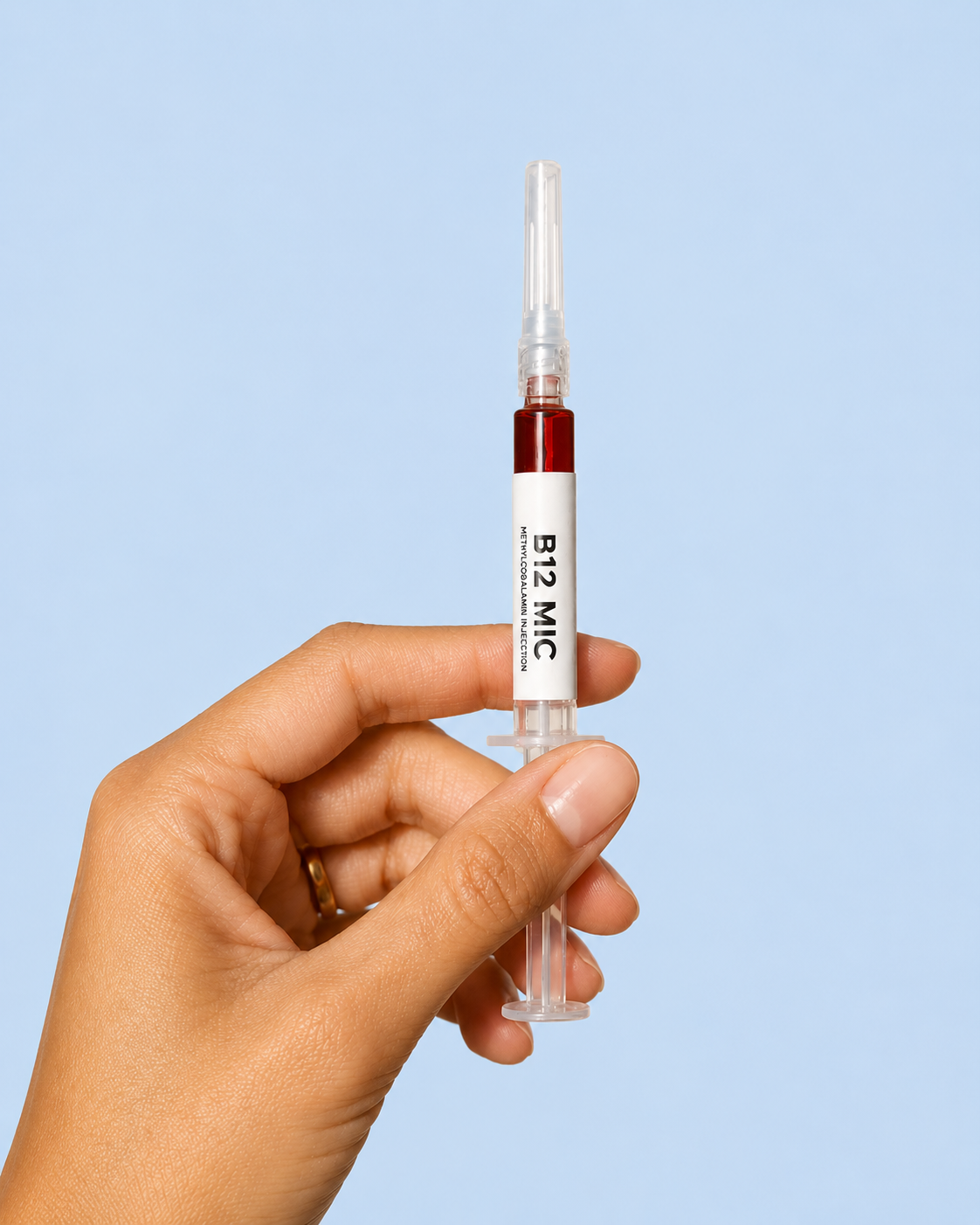
What B12 Actually Does
Vitamin B12 plays a genuine, well-established role in the body. It is involved in making red blood cells, in healthy nerve function, and in the processes that turn food into usable energy at the cellular level. When someone is truly deficient, the effects can be significant — and correcting a real deficiency can make a real, noticeable difference over time.
That last phrase is the key to everything that follows.
"When Will I Feel It?" Depends on Where You Started
Here is the distinction that most explanations gloss over.
If you are genuinely deficient, replenishing B12 addresses a real shortfall, and improvements in symptoms like fatigue can develop over the following days and weeks as your levels and red blood cell production recover. This is a gradual, physiological process — not an instant switch. Some people notice changes within a week or two; for others it takes longer, depending on how low they were and why.
If your B12 levels are already normal, the picture is different and worth being candid about: adding more B12 does not have a well-established track record of creating extra energy in people who were not lacking it in the first place. Any "boost" some people describe in that scenario is not something you should count on, and it is not a claim we would make. Your body uses what it needs and clears much of the excess.
This is exactly why testing and a provider's input matter more than the shot itself.
"How Long Does It Last?"
B12 is water-soluble, and while the liver can store some, injected B12 is processed and used over time rather than staying at a peak. That is why, when B12 injections are used to address a deficiency or an ongoing risk of one, they are typically given on a schedule a provider sets — for example, at regular intervals — rather than as a single one-time fix.
The "how long it lasts" question, in other words, is really a "what is the right maintenance rhythm for you" question, and that rhythm depends on your levels, the underlying reason for them, and your provider's guidance.
Who Is Most Likely to Be Low
Some people are at higher risk of low B12, including:
Those following vegetarian or vegan diets, since B12 comes largely from animal products
Older adults, whose absorption can decline with age
People with certain digestive conditions or surgeries that affect absorption
People on certain long-term medications
If you fall into one of these groups and you have been feeling persistently run-down, that is a reasonable prompt to get your levels checked rather than to guess.
Why an Injection Instead of a Pill
For people with absorption issues, an injection delivers B12 in a way that bypasses part of the digestive step where the problem sometimes lies. For others, oral B12 works perfectly well. Which route makes sense is, again, an individual question — not a universal upgrade.
A Realistic Bottom Line
If you were low, a B12 shot may support a gradual return of energy over days to weeks and is usually maintained on a provider-set schedule. If you were not low, do not expect it to manufacture energy that a good night's sleep, steady meals, hydration, and movement would serve better. The most valuable step is not the injection — it is finding out where you actually stand.
The FORM Perspective
At FORM by GBY, B12 support starts with your individual picture: a private online intake and a licensed provider's review help determine whether it may support your goals, and what schedule makes sense if so. We would rather tell you the fundamentals come first than sell you a shot you do not need.
If persistent fatigue has been shaping your days, start a private FORM intake and let a provider help you find out why.
This article is for general educational purposes only and does not constitute medical advice. Vitamin B12 injections require evaluation by a licensed healthcare provider, who can determine whether they are appropriate for you and on what schedule. Always consult a qualified professional about your individual health needs.