
9 perimenopause symptoms women are told to ignore — and what to actually do about them
Perimenopause is the hormonal transition that precedes menopause — the period during which estrogen, progesterone, and testosterone levels begin their decline. It ends when a woman has gone 12 consecutive months without a menstrual period, at which point she has reached menopause.
What most women don't know: perimenopause can begin as early as the mid-thirties, and the average duration is 4–8 years. Most women spend nearly a decade in perimenopause before reaching menopause in their early fifties.

Hormone therapy without a doctor's office: what telehealth HRT actually looks like in 2026
For decades, getting hormone therapy meant navigating a system that was not designed with your time, your experience, or your symptoms in mind.
It meant waiting months for an appointment with a specialist. It meant a 12-minute visit where you had to summarize years of symptoms in the time it takes to microwave lunch. It meant being told your labs were "normal" when you felt anything but. It meant leaving with a prescription — or without one — and a vague sense that you hadn't quite been heard.
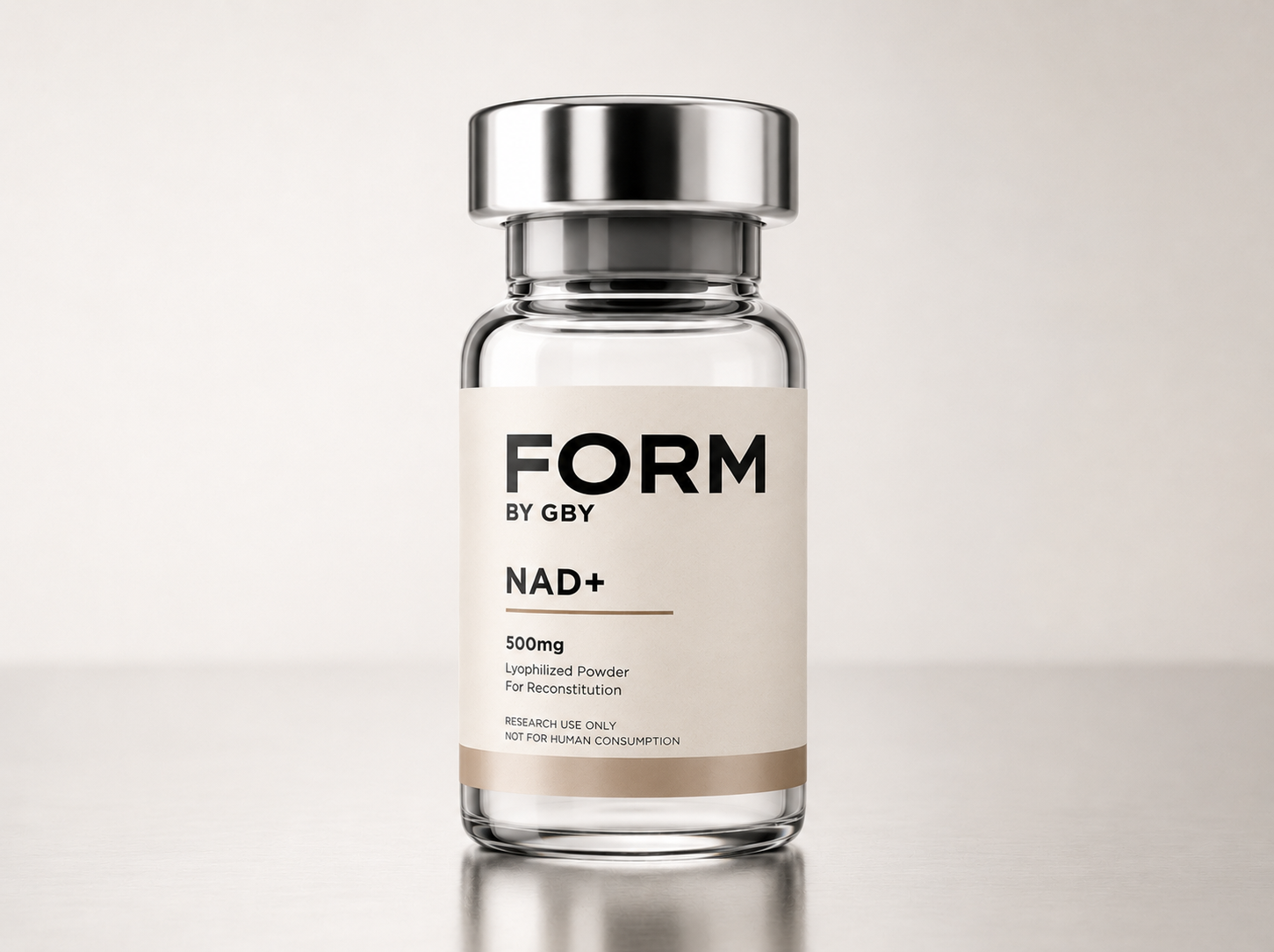
NAD+ for women: the energy molecule your body is running out of (and how to get it back)
If you've ever described yourself as "tired but wired," felt like your brain was running through fog, or noticed that recovery from anything — a hard workout, a bad night's sleep, a stressful week — takes longer than it used to, there's a molecule that deserves your attention.
It's called NAD+. And there's a very good chance you don't have enough of it.
Peptides for women: what they are, how they work, and why everyone in your feed is talking about them
You've seen the word everywhere. On TikTok. In wellness newsletters. In the checkout basket of the most put-together person you know. Peptides. But between the hype and the science, it's hard to find a straight answer: what do peptides actually do? Are they safe? Are they for you? Here's everything you need to know — without the jargon, without the sales pitch, and without the assumption that you have a PhD in biochemistry.